
Road sweepers
17 October 2025
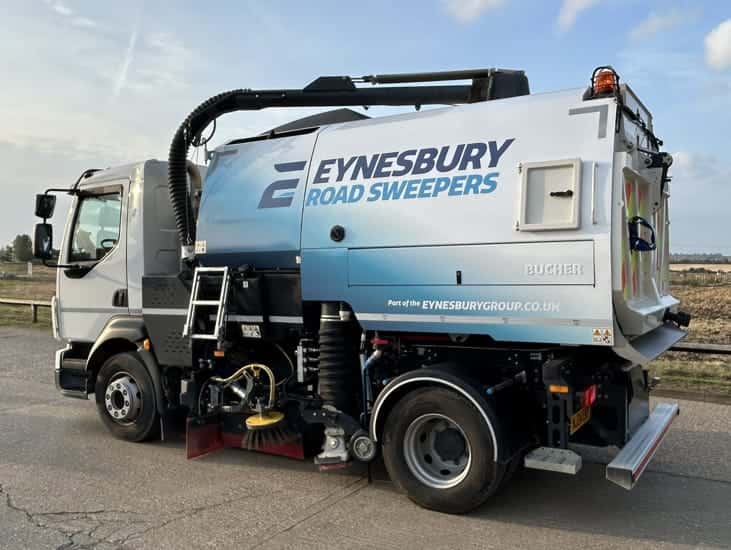
When you start looking into road sweeper hire cost, it can feel like you’re juggling variables left, right, and centre. How do you know if you’ve picked the right sweeper size? Are you paying too much for an operator’s fee? And what about timeframes and potential discounts?
Let’s walk through some practical steps for creating a budget that makes sense, without skimping on quality or results.
Your first move is to figure out exactly what you need. Is it a small clean-up job for a private event, or a more extensive routine cleaning for busy commercial streets? The type of mess you’re tackling dictates the model of sweeper you’ll want to hire.
Choosing the right machine matters, because renting a high-capacity sweeper when you only need a light cleaning job might stretch your budget unnecessarily.
Before you contact suppliers, work out a rough baseline of the expenses. Typical factors include your location, frequency of service, and how large the area is. In some parts of the UK, you might pay higher rates if the sweeper has to navigate congested city roads. For rural routes, prices might drop slightly, although travel costs could show up on your final bill.
If you’re curious about rough figures, rates can depend on whether you hire by the hour, day, or week. According to industry insights, rates can often be cheaper if you commit to a longer schedule. You can also check sources like road sweeper hire for more detail on services and pricing structures in your region.
A big part of your road sweeper hire cost hinges on the machine itself. Sweeper technology ranges from simple mechanical brushes to sophisticated vacuum systems with advanced filtration. Generally, more complex machines will come with a higher rental price, but that doesn’t mean it’s always the best option for you.
Look at exactly what your project needs. If you’re not picking up large gravel, a vacuum model can be cost-effective and quick. Going for more than you need might leave you paying for fancy features that never get used.
Hiring a sweeper for a longer stretch, such as a week or month, often reduces your daily rate. If you’re managing a construction site for several weeks, it might pay to have consistent sweeping to maintain safety and cleanliness, rather than booking one-off dates every so often.
On the flip side, if your project is just a quick event clean-up, a shorter hire window works fine. Matching your schedule to the job scope helps avoid paying for downtime you don’t need.
In many cases, you’ll need a skilled operator to run the sweeper. Operator fees can push up your costs, but they also ensure your job is done professionally and efficiently. If you have a long or complex job, factor in potential overtime for the operator if the days run longer than expected.
Some providers allow you to rent the machine without an operator, which saves money but only if you or a team member is qualified to do the job safely. If you need professional expertise, paying for an operator is usually well worth it.
It’s easy to overlook hidden expenses like fuel surcharges, disposal fees, or extra cleaning attachments. Ask potential suppliers for a full breakdown of every item in their quote. You’ll want to confirm:
When you get clarity upfront, you reduce unwelcome surprises. You’ll also have a solid estimate that helps you stay firmly on budget.
Budgeting for your road sweeper hire cost doesn’t have to be daunting.
By pinning down your project’s scope, choosing the right equipment, and planning your timescale wisely, you’ll keep your spending in check while still getting the quality you need.
If you’re still uncertain, explore different providers or chat directly with a hire specialist to make sure each pound you spend goes the extra mile in keeping your site clean and safe.


